
"Harar 4"
200 article(s) found

Ethiopian Coffee Bean Flavor_Hara, Gemma, Kimbile Kempti, Lim
Harar is located in the Eastern Highlands of Ethiopia (Haredge Province) and grows at an altitude of 5,000 - 7,000 feet. It was still wild on the hillside a century ago. Most of the raw beans are medium in size and pointed at both ends. The color is green with yellow or gold. When roasted, there will be

Unique Ethiopian Coffee Estate Boutique Coffee Bean Cultivation Location Climate Sea
Ethiopia is home to Arabica coffee, and it is in the forests of the Ethiopian Kaffa region that you can see Arabica coffee growing wild. In Ethiopian, coffee is called Bun or Buna, and coffeebean may be translated from Kaffa Bun. Arabica coffee was discovered early in the Harar area and is likely to come

The relationship between Sidamo and Yega Xuefei A brief introduction to the characteristics of coffee in Yega Xuefei producing area
Professional coffee knowledge exchange more coffee bean information please follow the coffee workshop (Wechat official account cafe_style) Qianjie Coffee-A brief introduction to the relationship between Yegashifi and Sidamo Ethiopia is a historical and traditional agricultural country with a history of coffee origin. The origin of the name coffee is located in the southwestern province of Kafa, while the south is the main producing area of Sidamo. Yejia Xuefei

Medium-roasted Ethiopian Yega Snow Coffee introduces boutique coffee
The main producing areas of Ethiopian coffee are Harald (Harar) in the east, Djimmah (southwest) and Sidamo (south). The unique fragrance of Yirgacheffe comes from Yirga, a small town in the northwest of Sidamo province. Yirgacheffe is a global coffee connoisseur.
Ethiopian coffee beans characteristics, Ethiopian coffee grades
Pay attention to coffee reviews (Weixin Official Accounts vdailycom ) and find a beautiful cafe to open its own shop Ethiopian coffee beans are divided into five levels. The first and second stages are water-washed beans. Grade1 means 0~3 defective beans per 300 g of raw beans;Grade2 means 4~12 defective beans per 300 g. Gradc Grade 1 washed beans are extremely rare and generally difficult to buy.

Introduction to the method of regional treatment for the determination of coffee bean flavor in Ethiopia Yega Xuefei G2 washing cup
Ethiopia Yega Xuefei G2 washing cup coffee bean flavor description production area treatment method introduces that Ethiopia has coffee in different climatic zones, so it has more than 140 farm varieties, and fresh coffee is produced all the year round. The quality of Ethiopian coffee varies according to different elevations and regional ecological environment. Harald Coffee in the Southeast Heights is a typical mu

The Origin of Coffee in the World an introduction to the coffee bean producing areas in Ethiopia
Ethiopia is the hometown of Arabica coffee, and it is in the forests of Kaffa that you can see wild Arabica coffee. In Ethiopian, coffee is called Bun or Buna, and coffee beans (coffeebean) may be translated from Kaffa Bun. Arabica coffee was discovered early in the Harar area and is likely to come.

Introduction to the flavor and taste of Ethiopian Arabica coffee
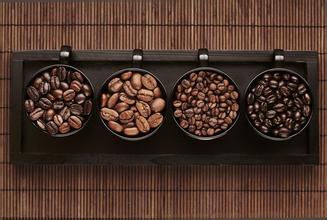
In the field of boutique coffee, there are also five other small places of coffee, namely Lim, Gemma, Le Campdi, Becca and Limmu, Djimmah, Lekempti, Bebeka and Wolega. The most common is Essesidamo or Harald coffee (Either Sidamo or Harrar coffee). Harald Coffee (HarrarCoffee) is made in Essex.
Sidamo coffee beans wash Sidamo boutique coffee beans Ethiopian plateau and other places
Ethiopia is the hometown of Arabica coffee, and it is in the forests of Kaffa that you can see wild Arabica coffee. In Ethiopian, coffee is called Bun or Buna, and coffee beans (coffeebean) may be translated from Kaffa Bun. Arabica coffee was discovered early in the Harar area and is likely to come.

Introduction to the flavor description characteristics of Ethiopian coffee varieties with balanced flavor
Ethiopia is the hometown of Arabica coffee, and it is in the forests of Kaffa that you can see wild Arabica coffee. In Ethiopian, coffee is called Bun or Buna, and coffee beans (coffeebean) may be translated from Kaffa Bun. Arabica coffee was discovered early in the Harar area and is likely to come.

Introduction of Yejia Snow Coffee beans for washed Refining
The main producing areas of Ethiopian coffee are Harald (Harar) in the east, Djimmah (southwest) and Sidamo (south). The unique fragrance of Yirgacheffe comes from Yirga, a small town in the northwest of Sidamo province. Yirgacheffe is a global coffee connoisseur.

The flavor characteristics of coffee beans in Cochel area are mainly citrus and kernel fruits and tea taste.
Professional coffee knowledge exchange more coffee bean information please follow Coffee Workshop (Wechat official account cafe_style) Ethiopia Kochere Washed GOLOLCHA G1 country: Ethiopia: Cochel, Godocha altitude: 1800m-2000m treatment: washing grade: G1 variety: native species Ethiopia Yega Sheffield G1 Kocha washed

Lim Limu washing local native coffee how to drink? What are the producing areas of Ethiopian coffee?
Professional coffee knowledge exchange more coffee bean information please follow the coffee workshop (Wechat official account cafe_style) Ethiopian coffee is mainly produced in eight major areas: Lekempti, Limu, Illubabor, Djimmah, Harar, Teppi/Bebeka, Sidamo, Yirgacheffe. Ethiopian coffee is highly rated in China, especially for Ethiopian coffee.
Brief introduction of coffee producing countries: Ethiopia
If the world coffee producing area is compared to a jigsaw puzzle, Ethiopia is definitely the largest piece in the center of the work. 1. Coffee, the hometown of Arabica and the source of coffee in the world, originated in Ethiopia. Quality coffee variety, Arabica coffee, the hometown of ta is Ethiopia. It is generally believed that coffee originated in Ethiopia
The grade of caffeine in Ethiopia
Following Cafe (official Wechat account vdailycom) found that Beautiful Cafe opened a small shop of its own background Ethiopia's coffee bean grading standards are supported by the American Professional Coffee Association. But remember, Ethiopia is a coffee producer, so why can't Ethiopia set its own standards?-in 2008, Ethiopia held a formal coffee trading center.
Brief introduction of Coffee from Ethiopia
Lim G2 Ethiopia is the hometown of Arabica coffee, and you can see wild Arabica coffee in the forests of the Kaffa region. In Ethiopian, coffee is called Bun or Buna, and coffee beans (coffee bean) may be translated from Kaffa Bun. Arabica coffee has long been found in the Harald area, which is very accessible.
Summary of Ethiopian single Coffee-Coffee beginners
Ethiopian coffee if the world coffee producing area is compared to a jigsaw puzzle, then Ethiopia is definitely the largest piece in the center of the work. 1. Arabica's hometown, the source of coffee in the world, the first thing to mention is, of course, coffee, this amazing guy, actually originated in Ethiopia. The most important quality in the world coffee market

Cedar Mochizo Coffee Manor Flavor description Variety characteristics Grinding degree treatment method
The main producing areas of Ethiopian coffee are Harald (Harar) in the east, Djimmah (southwest) and Sidamo (south). The unique fragrance of Yirgacheffe comes from Yirga, a small town in the northwest of Sidamo province. Yirgacheffe Coffee Raw beans are the most popular coffee in the world.

Story of Shepherd Coffee Bean in Xidamo Guji producing area in the Sun _ description of Sidamo Shepherd Coffee Flavor
Professional coffee knowledge exchange more coffee bean information Please pay attention to Coffee Workshop (Wechat official account cafe_style) Sidama is located in southern Ethiopia, the landscape is so varied that each town has its own characteristics and diversity of coffee flavor. Shakisso is located in the Guji producing area of West Dharma, southeast of Yejia Sheffield.

Ethiopian Harald Coffee Legend introduction to Ethiopia's well-known coffee brand coffee beans
Professional coffee knowledge exchange more coffee bean information Please follow the coffee workshop (Wechat official account cafe_style) in the past 20 years, Harald is just a faded memory, a legend, an imprint that may not be able to be reproduced. Once upon a time, the unique blueberry flavor of Harald in Ethiopia made other coffee look good.